Rich Foods
The Future of Retail Post-Pandemic
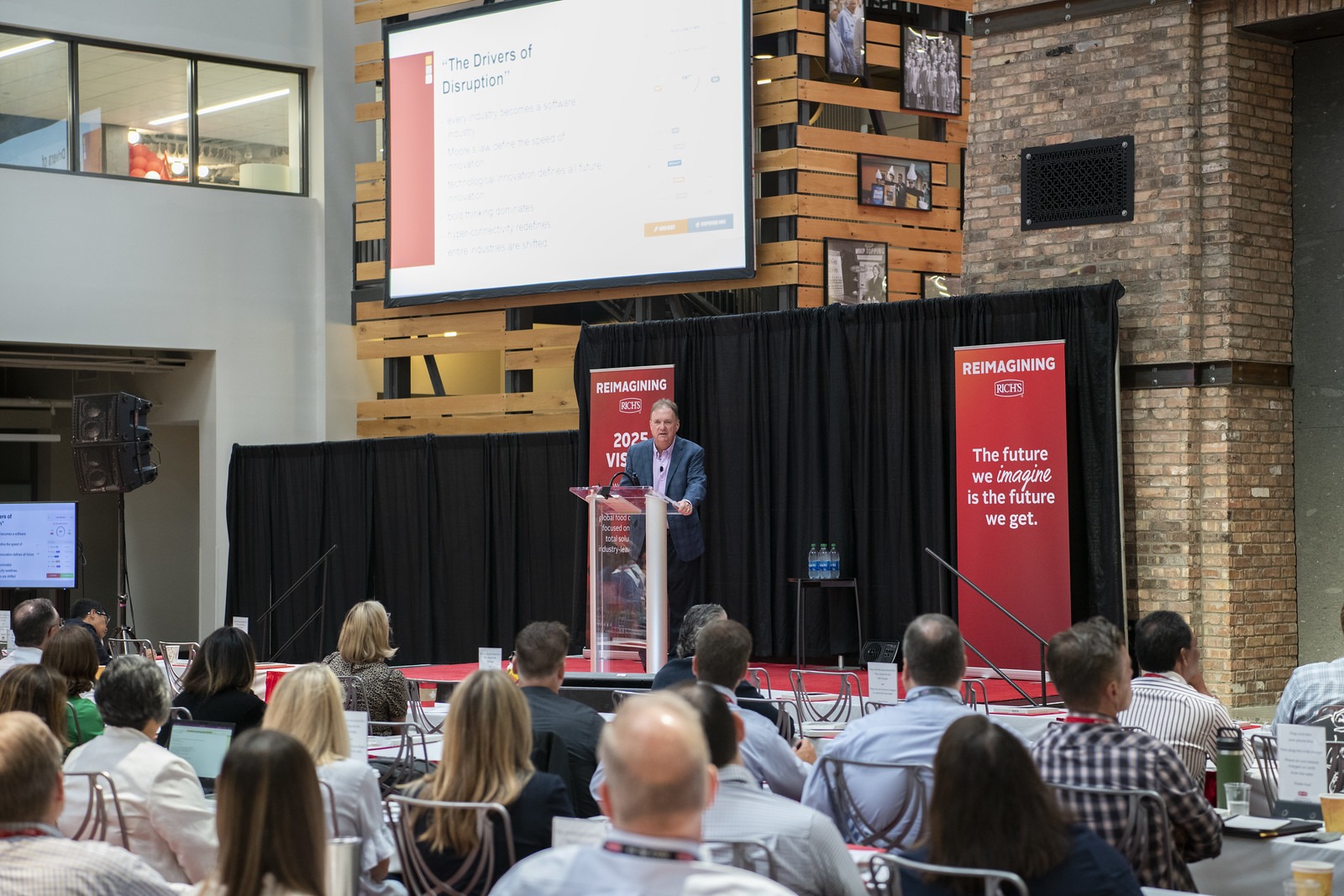
CEO-led leadership event on business-model disruption, intelligent connectivity, changing consumer expectations and shifting food preferences.
Food is fashion. Grocery is data. Restaurants are technology. Manufacturing is science.
For more than three decades, Jim Carroll has helped food manufacturers, grocery leaders, restaurant organizations, foodservice companies, packaging innovators and supply-chain executives understand what happens when taste, technology and customer expectations all accelerate at once.
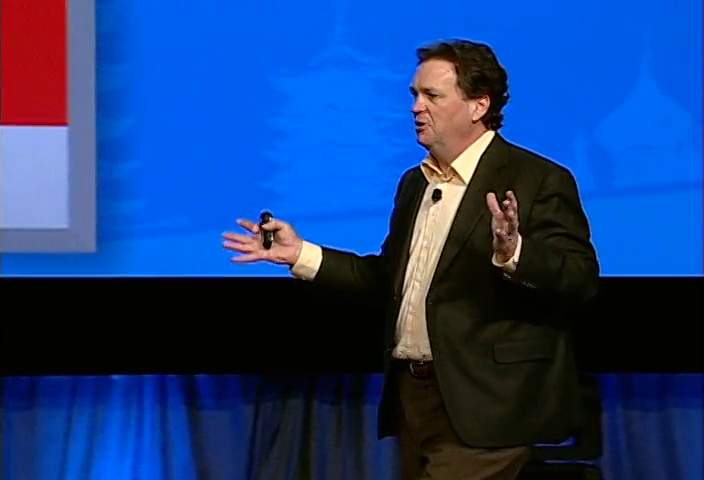
New taste sensations once took years to move from high-end restaurants to the mainstream. Jim was documenting the shift to months as social media, chefs, creators and digital communities compressed the trend cycle.
Your pre-2006 archive includes Nestlé, Nestlé Purina, FMC FoodTech, StarKist, Heinz, TetraPak, PrintPack, CFIG, PMMI, restaurant groups, foodservice organizations and major grocery chains. The later archive adds Rich Foods, Godiva/Pladis, Produce Marketing Association, Flavor & Extract Manufacturers Association, Global Cold Chain Alliance, Subway, Yum! Brands and others.
E-grocery, grocery systems, food manufacturing, packaging innovation and the first wave of digitally empowered consumers.
Restaurant innovation, mobile influence, recession-era growth, health trends and faster food product cycles.
Influencer-driven taste, personalized wellness, connected packaging and rapidly changing retail channels.
Post-pandemic behaviour, supply-chain volatility, vertical farming, cold chain and changing trust.
Machine customers, personalized nutrition, autonomous ordering, predictive demand and faster science.
Food manufacturing, grocery, restaurants and foodservice overlap - but the strategic questions are different. These directions are blended around the audience.
Science, taste, health, consumer behaviour and the technologies reshaping the food system.
Demand sensing, personalized nutrition, predictive supply chains and machine-mediated buying.
Clicks-and-mortar, smart shelves, automated replenishment and the self-provisioning household.
Menu innovation, social influence, automation, mobile ordering and brand velocity.
Robotics, intelligent processing, new ingredients, alternative proteins and faster formulation.
Packaging innovation and the danger of protecting a category assumption for too long.
The biggest disruption comes from many changes arriving at the same time.
Health, value, convenience and social influence can reset demand with stunning speed.
Biology, wearables and health data move grocery and food choices toward individual recommendations.
New ingredients, proteins, formulations and biological manufacturing reshape categories.
Packaging becomes traceability, safety, identity, sustainability and brand experience.
AI, sensors and predictive logistics improve reliability across temperature-sensitive supply chains.
Households and AI agents increasingly reorder food based on inventory, habits and health signals.
Jim has written about a world of programmable food consumption in which smart devices track biological signals and influence what, when and how people eat.
Wearables, metabolic data, microbiome research and AI can gradually turn nutrition from broad demographic advice into a more individualized system.
Jim's earliest e-grocery work argued for clicks-and-mortar rather than pure online retail. The later evolution adds mobile shopping, click-and-collect, smart shelves, predictive replenishment and autonomous household ordering.
A restaurant trend can now become a mass-market expectation in months. Menu innovation, social channels, delivery platforms, mobile ordering and creator influence continuously reset what customers expect.
Yum! Brands brought Jim into its global leadership meeting during the 2009 downturn to focus on growth, consumer change, technology and brand innovation rather than fear.
Robotics, machine vision, predictive maintenance, new processing technologies and AI-based formulation move food production toward a more adaptive, data-driven model.
The future of food processing is as much about software and science as machinery.
StarKist's shift from the century-old tuna can to a pouch became one of Jim's signature innovation stories - a reminder that assumptions can survive long after better alternatives exist. The story was associated with a reported $200 million sales uplift.
In 2023 the Global Cold Chain Alliance brought Jim in to examine AI across logistics, operations and the built environment for an industry whose core promise is reliability.
Sensors, AI and digital operations can increasingly identify risk before product quality is compromised.
Vertical farming, precision biology, fermentation, alternative proteins and new production methods gradually change where ingredients come from and how food is produced. The archive includes forecasts that some forms of meat and milk production could migrate into highly controlled industrial environments.

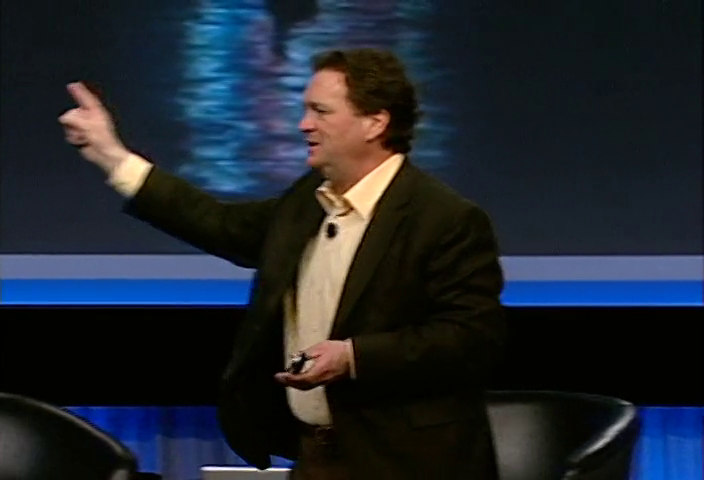
One of Jim's defining food-industry leadership stories came during the 2009 downturn: a global restaurant CEO spent roughly one minute on the recession and nearly twenty minutes on growth opportunities.
Jim turned that lesson into a recurring leadership message: acknowledge the uncertainty, then get back to building.
Different part of the food system. Different strategic problem.
CEO-led leadership event on business-model disruption, intelligent connectivity, changing consumer expectations and shifting food preferences.
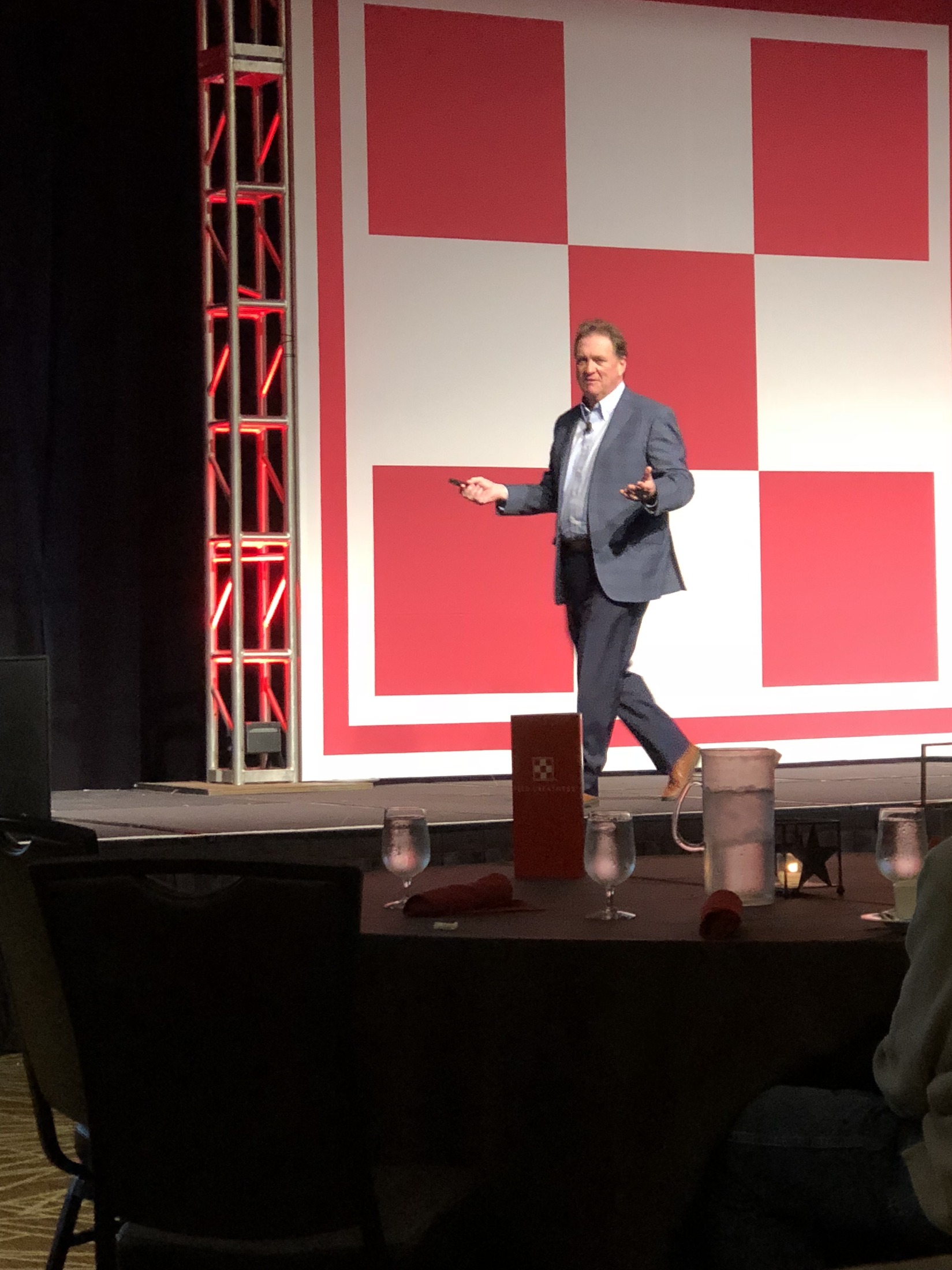
Long-running work across brand, food, pet-care and agricultural audiences, including innovation, consumer trends and category disruption.
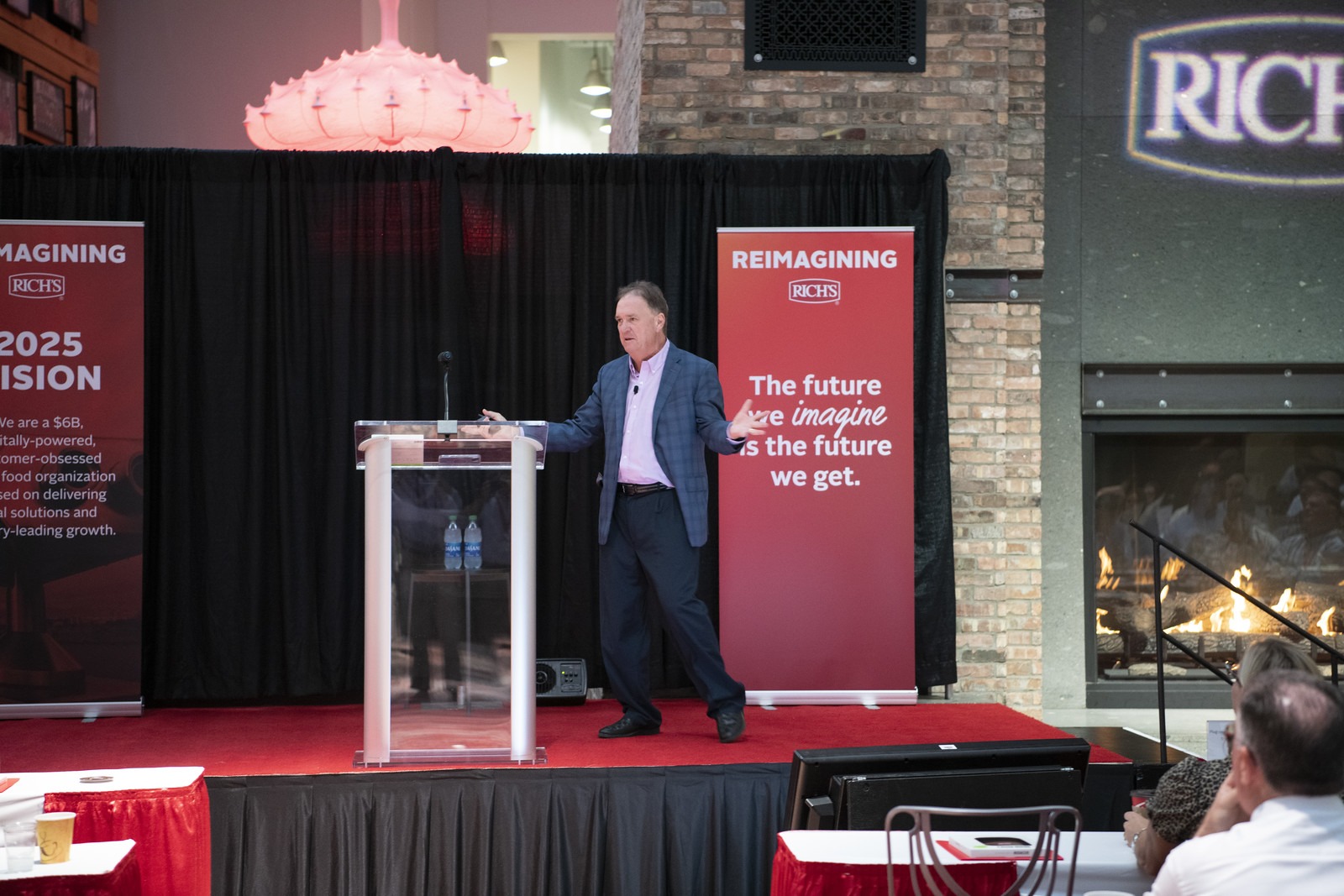
Food as fashion, compressed taste cycles and an innovation path for an industry in hyper-change.
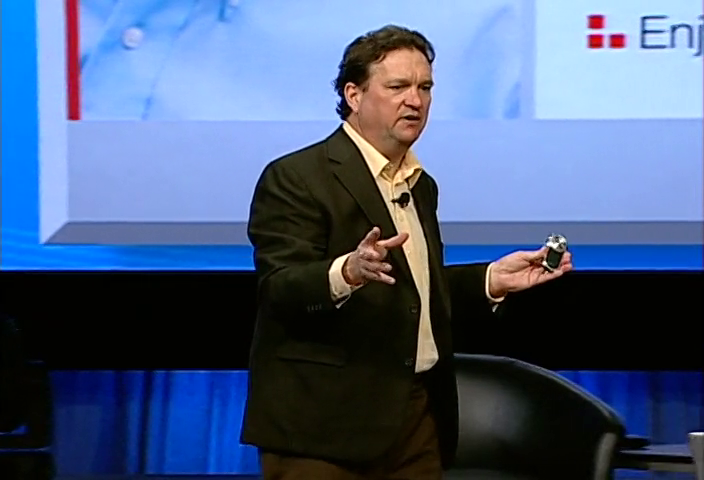
KFC, Taco Bell and Pizza Hut global leadership: consumer behaviour, mobile technology, brand innovation and growth despite the recession.
Food manufacturers, grocery, restaurants, foodservice, packaging, processing and supply chain.
Food brands & manufacturing: Nestlé • Nestlé Purina • Rich Foods • Maple Leaf Foods • Godiva • Pladis • FMC FoodTech • Heinz • StarKist • TetraPak • PrintPack
Grocery & produce: Loblaw • Save-On-Foods / Overwaitea • Canadian Federation of Independent Grocers • Grocery Innovations Canada • Produce Marketing Association / Fresh Summit • FMI
Restaurants & foodservice: Yum! Brands • Burger King • Subway Canada • Prime Restaurants • Compass Group • Multi-Unit Restaurant Technology Conference • HAVI Global Solutions
Ingredients, packaging & processing: Flavor & Extract Manufacturers Association • PMMI • NatureWorks • Mondi • Canadian Snack Food Association • Confectionery Manufacturers Association
Supply chain & cold chain: Global Cold Chain Alliance • food distribution and logistics audiences • agricultural food processing organizations.
Sector relevance comes from deep research, client consultation and industry-specific examples.
“Jim's storytelling approach really helps to get his points across.”Disney management feedback, referenced in Jim's archive
“We selected Jim because of his accessibility and passion to tailor his expertise to fit our vision. This combination produced exceptional results.”AmstedRail
“Your insight helped to shape our strategy, comprehend our direction, and understand our future. Thanks for accelerating our thinking!”Lennox CEO
“A stunning keynote with extremely powerful insight. Humour, energy, deep research and relevant content for our audience. We loved him!”Client event feedback
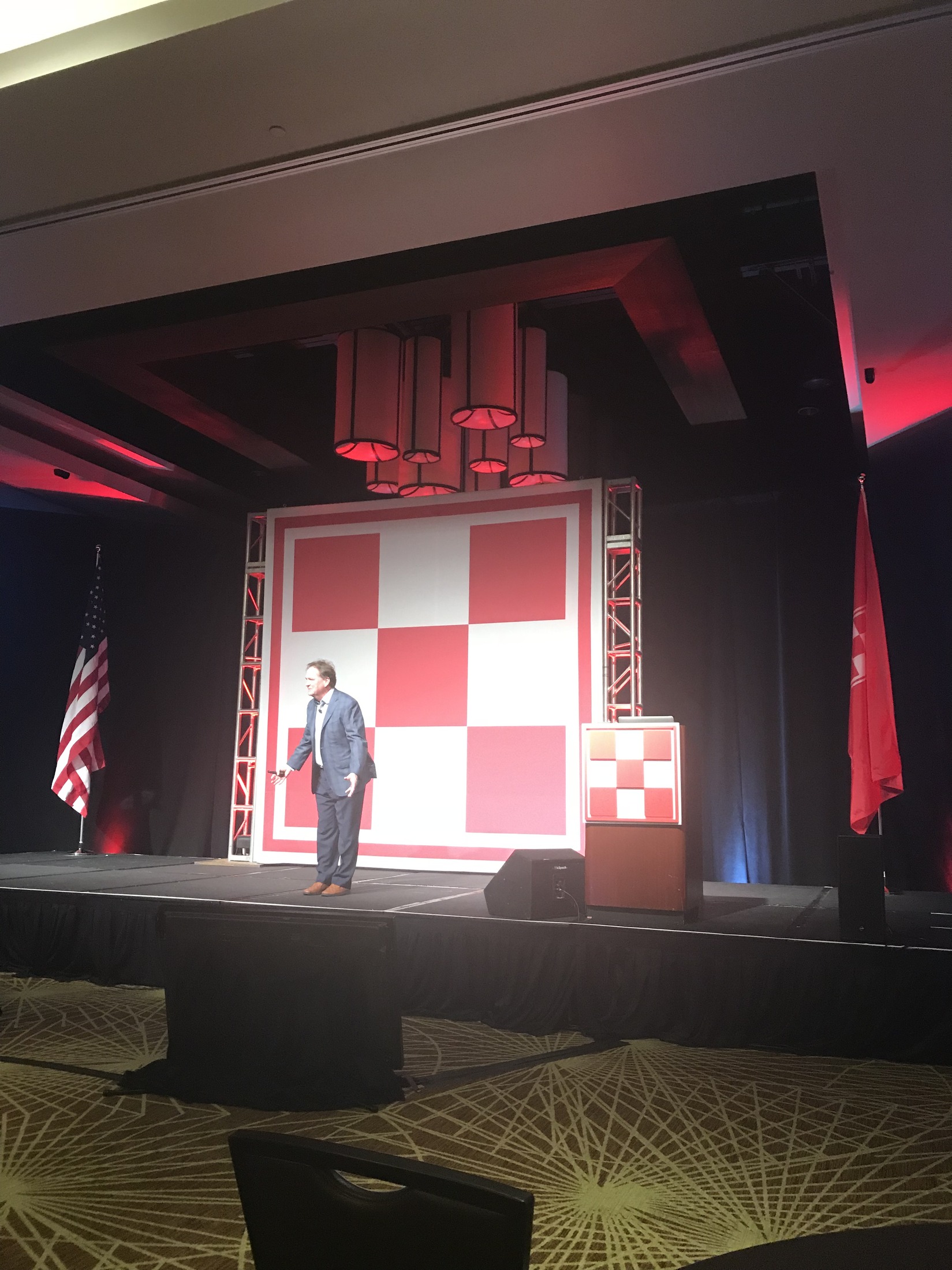
A grocer, restaurant operator, ingredient company, food manufacturer and cold-chain organization do not face the same future.
Jim builds around category data, current consumer trends, supply-chain conditions, food science, company strategy, event themes and stakeholder calls.
You do not need a finished brief. Tell Jim whether the room is food manufacturing, grocery, restaurants, foodservice, packaging, ingredients or supply chain - and what decisions are becoming harder.